All You Need to Learn About the VR6 Engine: Facts and Insights
The VR6 engine stands for a remarkable development in auto design. Its special design combines the qualities of V6 and inline engines, providing advantages in power and effectiveness. Introduced by Volkswagen, it has established a reputation in different popular models. Nevertheless, as the industry changes towards electrification, the VR6 faces brand-new challenges. What does the future hold for this renowned engine? Exploring its engineering and efficiency might expose unexpected insights.
The Engineering Behind the VR6 Engine
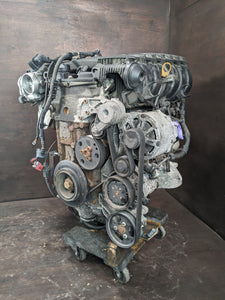
The VR6 engine might show up to be a complicated layout, its design principles are rooted in a mix of efficiency and efficiency. This one-of-a-kind setup incorporates the characteristics of a V6 and an inline engine, enabling a portable style that suits smaller engine bays. The VR6 includes a narrow angle in between the cylinder financial institutions, usually around 15 levels, which minimizes overall width while keeping a smooth power shipment. Additionally, the engine utilizes a solitary cyndrical tube head, simplifying manufacturing and maintenance. This style boosts thermal performance and reduces weight, adding to improved handling and responsiveness. With its equilibrium of power and compactness, the VR6 stays a significant success in auto design, interesting both efficiency fanatics and daily vehicle drivers alike.
Historic Significance of the VR6
What makes the VR6 engine historically significant in the auto globe? Presented in the early 1990s by Volkswagen, the VR6 redefined the compact engine design by incorporating the features of an inline and a v6 engine. This cutting-edge design enabled for a shorter engine length, enabling its installation in smaller sized lorries without giving up power. The VR6 quickly gained appeal for its special audio and smooth efficiency, becoming a characteristic of numerous Volkswagen and Audi models. Its capacity to deliver a balance of power and effectiveness made it a preferable selection for manufacturers and fanatics alike. Furthermore, the VR6's influence can be seen in the development of engine style, as it led the way for even more compact and functional powertrains in the auto market.
Efficiency and Performance Comparisons
When comparing performance and performance, the VR6 engine sticks out as a result of its distinct layout, which enables it to supply impressive power output while maintaining commendable gas economy (vr6). The engine's small arrangement assists in an equilibrium between power and weight, boosting handling and responsiveness. Commonly, VR6 engines generate a durable torque contour, adding to a dynamic driving experience. This characteristic is particularly beneficial in city settings where acceleration is necessary. Furthermore, innovations in gas injection and tuning have enhanced thermal effectiveness, bring about lower exhausts compared to various other engine layouts. While turbocharged variants might use greater efficiency, the VR6 handles to give a rewarding mix of power and performance, making it an enticing selection for both lovers and day-to-day chauffeurs alike
Popular Automobiles Featuring the VR6
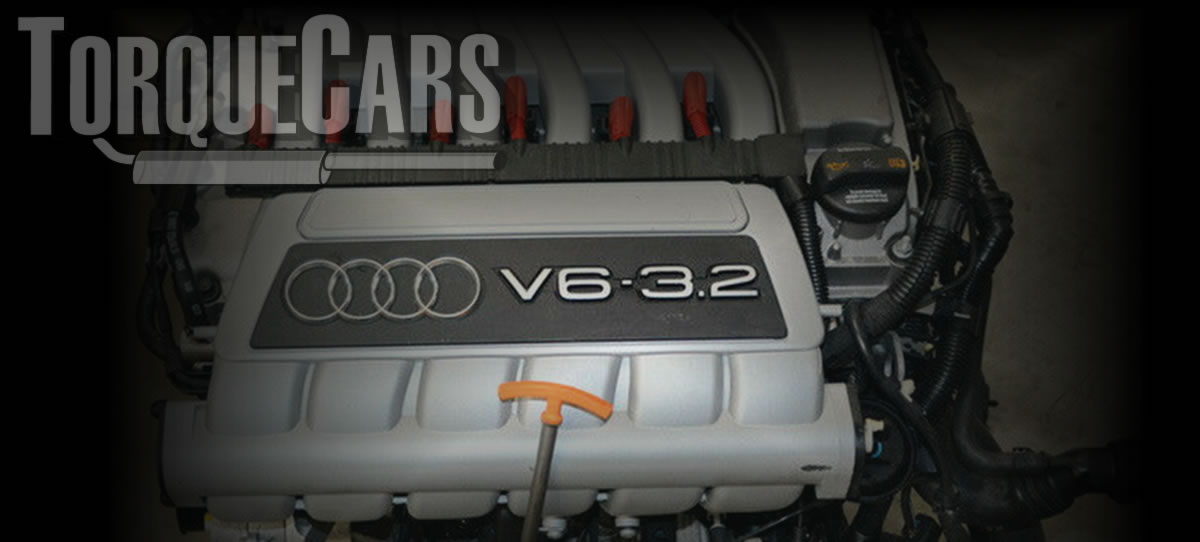
The VR6 engine has actually acquired popularity in a range of lorries, showcasing its flexibility and efficiency capabilities. Mostly related to Volkswagen and Audi, this engine configuration has been featured in models such as the Volkswagen Golf, Jetta, and Passat, where it supplies a balance of power and efficiency. The Audi A3 and TT likewise utilize the VR6, providing a flashy driving experience. Additionally, the Volkswagen Touareg and Porsche Cayenne have used this engine to improve their efficiency in the SUV sector. Recognized for its compact style, the VR6 enables makers to maximize room while delivering outstanding horsepower and torque. This adaptability has actually made the VR6 a popular option my review here among automobile enthusiasts and manufacturers alike.
Future of the VR6 Engine in the Automotive Industry

Often Asked Concerns
What Is the Typical Life-span of a VR6 Engine?
The typical lifespan of a VR6 engine varies from 150,000 to 200,000 miles, thinking normal upkeep and treatment. Variables such as driving practices, ecological problems, and engine alterations can substantially influence longevity.
Just how Does the VR6 Engine Audio Contrasted to Other Engines?
The VR6 engine generates a distinctive roar, characterized by its unique shooting order and configuration. Contrasted to inline or V8 engines, it uses a smoother sound account, usually referred to as a deep, throaty roll.
Exist Any Kind Of Common Issues With the VR6 Engine?
What Sort of Oil Is Finest for a VR6 Engine?
The most effective oil for a VR6 engine is commonly a top quality synthetic oil with a viscosity rating of 5W-30. This guarantees peak performance and security, particularly under differing temperature level problems and driving designs. Normal changes are vital.
Can the VR6 Engine Be Exchanged Into Various Other Cars?
Yes, the VR6 engine can be swapped into other automobiles, read this article however compatibility depends upon elements like mounting points, transmission alternatives, and circuitry. Fanatics commonly carry out these swaps to improve efficiency in numerous lorry designs.
Comments on “Exploring the vr6 engine power for everyday driving”